
The 30-second read
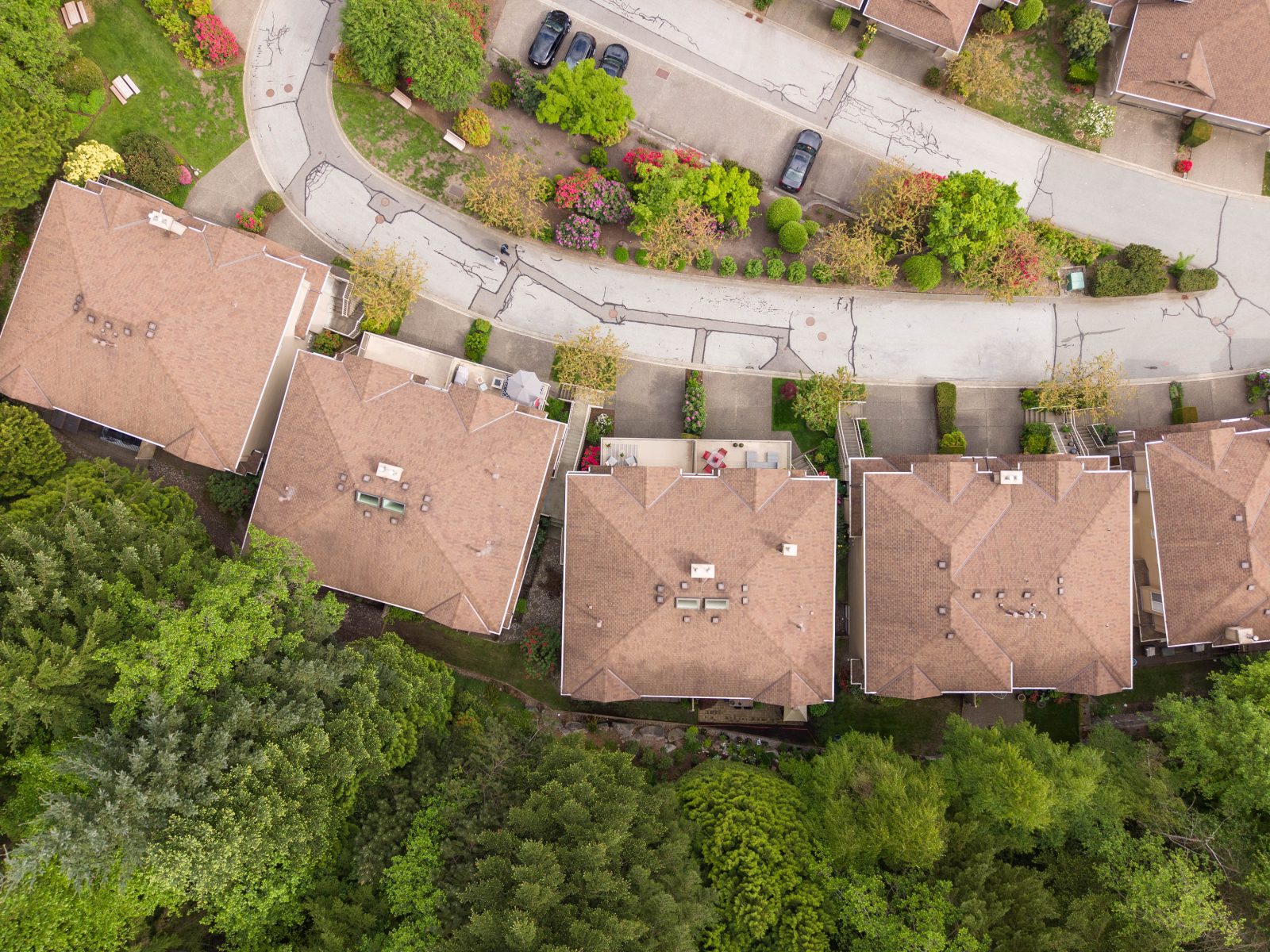
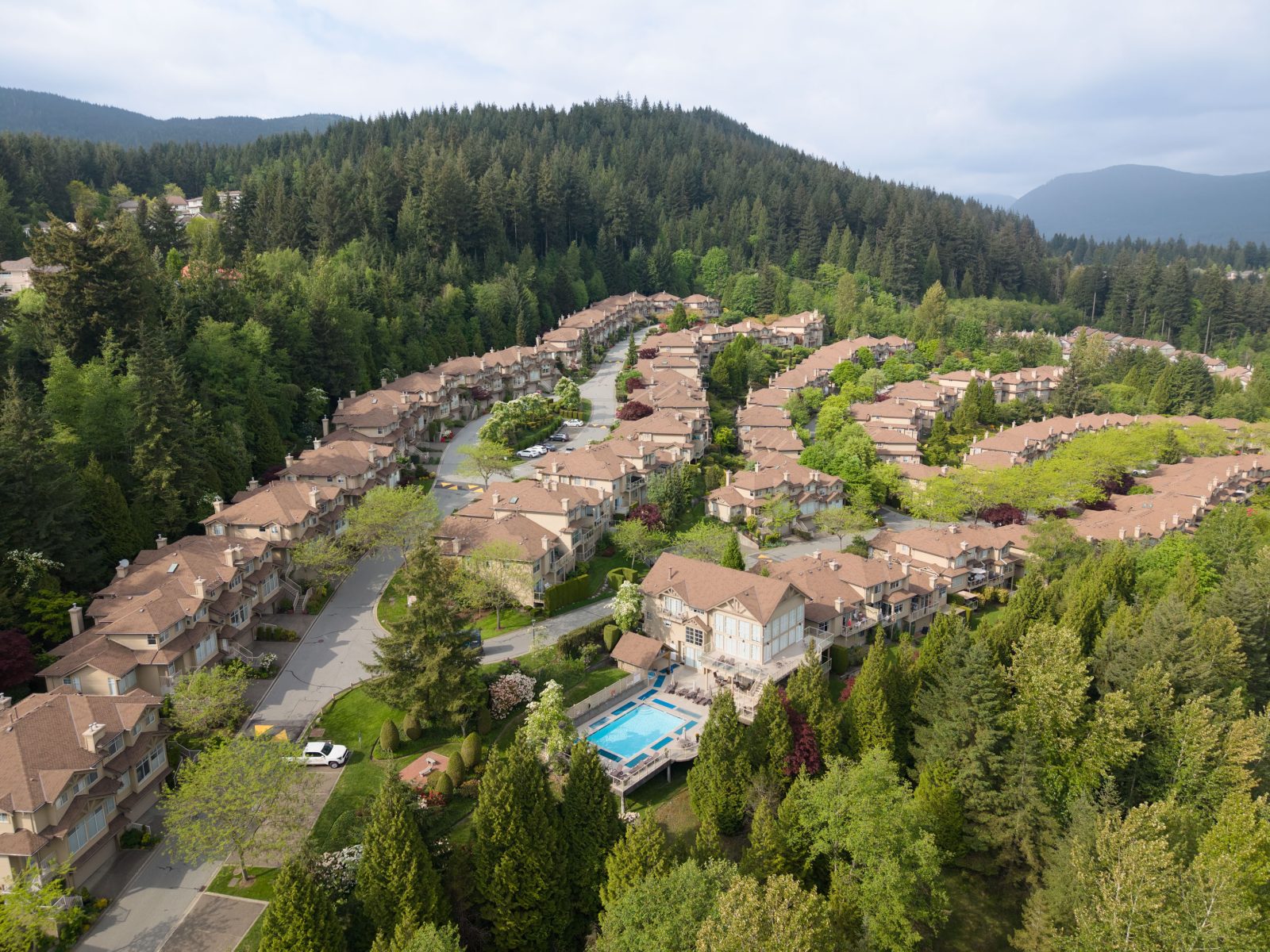
This is a story about reading the room. The seller and I came to market with a confident strategy: list 112-2979 Panorama Drive — a 2,552 sq ft end-unit family townhouse in Deercrest Estates on Westwood Plateau — at $1,199,900 and push hard for top dollar. The home is a category leader for its price band: end-unit, Mount Baker views, double garage, central air, and a community amenity centre with an outdoor pool and clubhouse. The market responded fast. Seven offers came in over the first two weeks.
None of them were the offer we were holding out for.
Then the seller's life changed. A move back to Hong Kong went from "eventually" to "as soon as possible." The priority stopped being top dollar and became speed, certainty, and a clean exit. The strategy had to pivot — not because the original plan was wrong, but because the goal itself had changed. We dropped the price to $1,150,000 to signal urgency to the buyer pool, re-engaged the strongest qualified buyer, and pushed them up from their initial offer to a final $1,120,000. Sub-30-day completion. Standard subjects. Closed at day 23.
The market spoke. We listened. The seller got exactly what he actually needed.
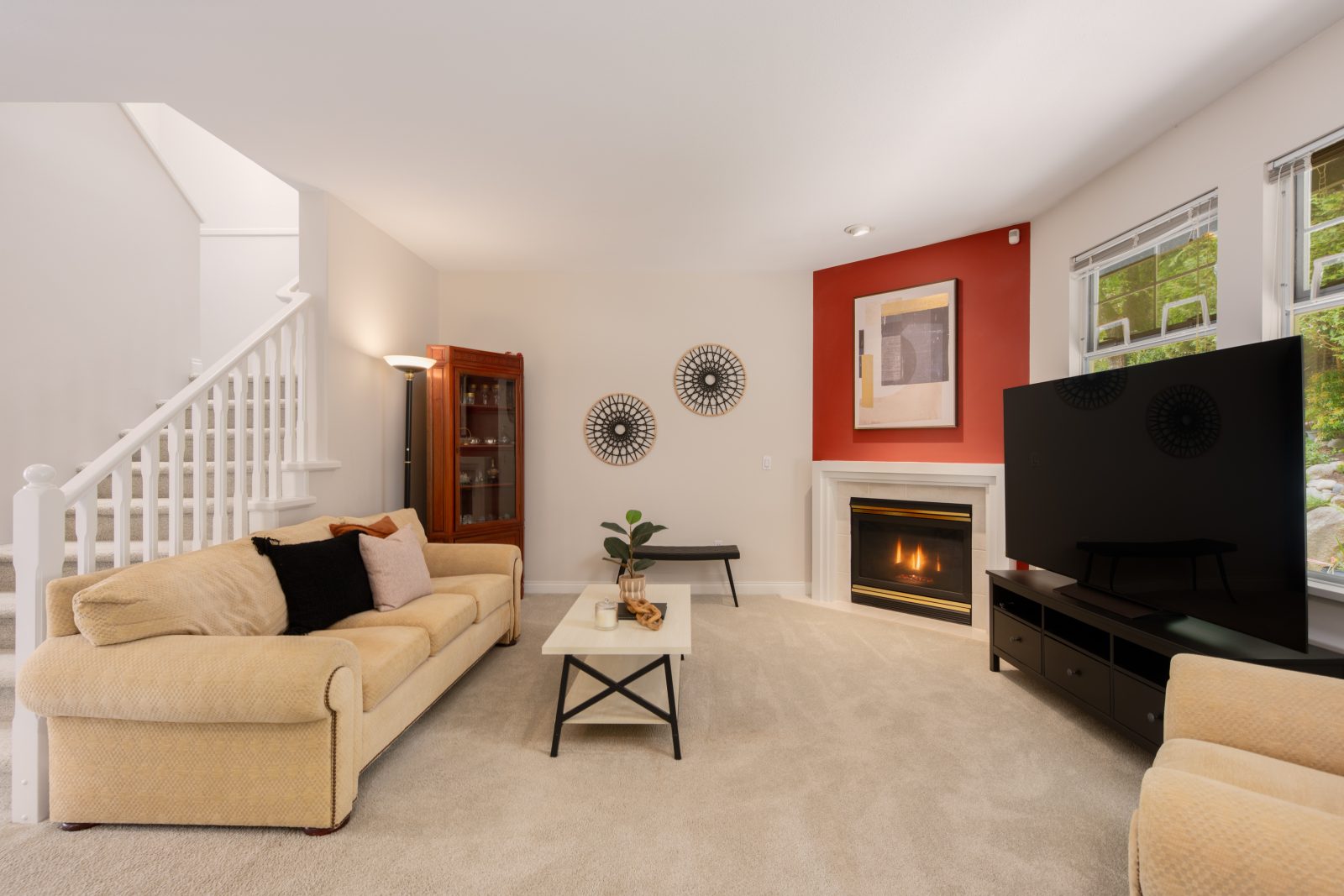
The listing — why we expected strong interest
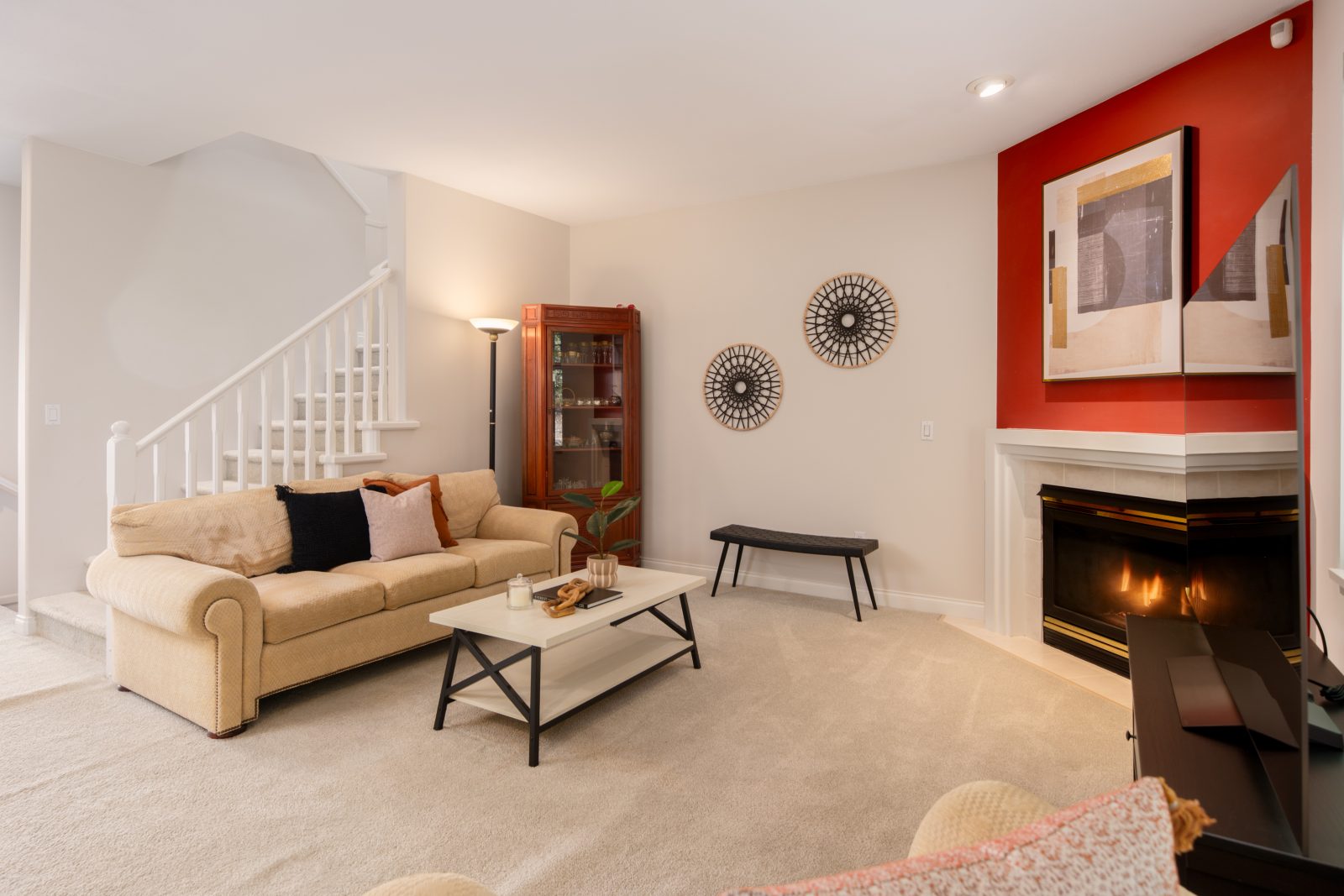
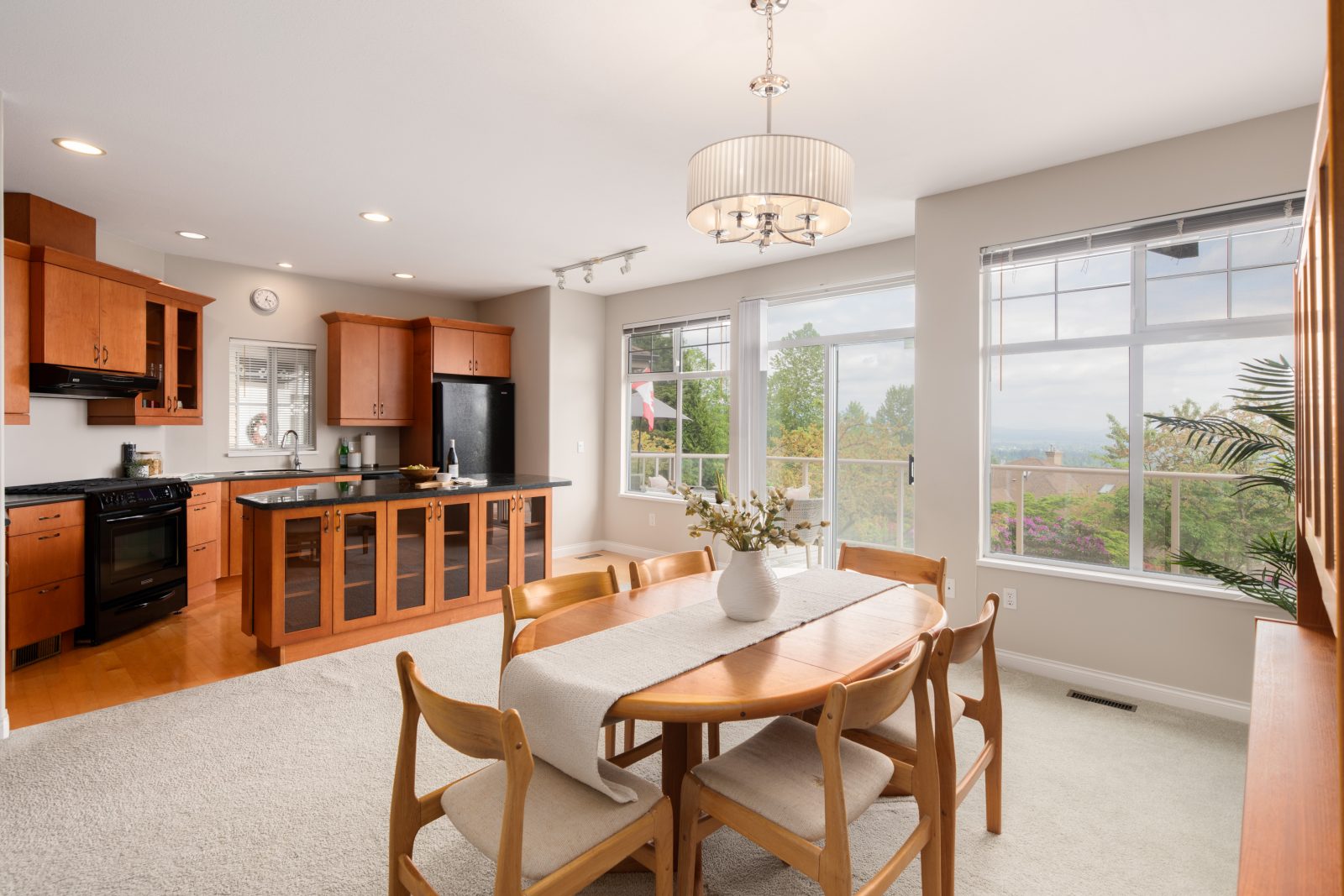
Before the offers came in, the strategy was built on what the home actually delivered. End-unit positioning is rare in Deercrest Estates and disproportionately important to family buyers — more light, fewer shared walls, easier turnover at resale. Inside, 2,552 sq ft across three levels gave the home townhouse footprint with a real basement: three bedrooms above, an open main with two natural-gas fireplaces, and a fully finished lower level for a media room or teen retreat.
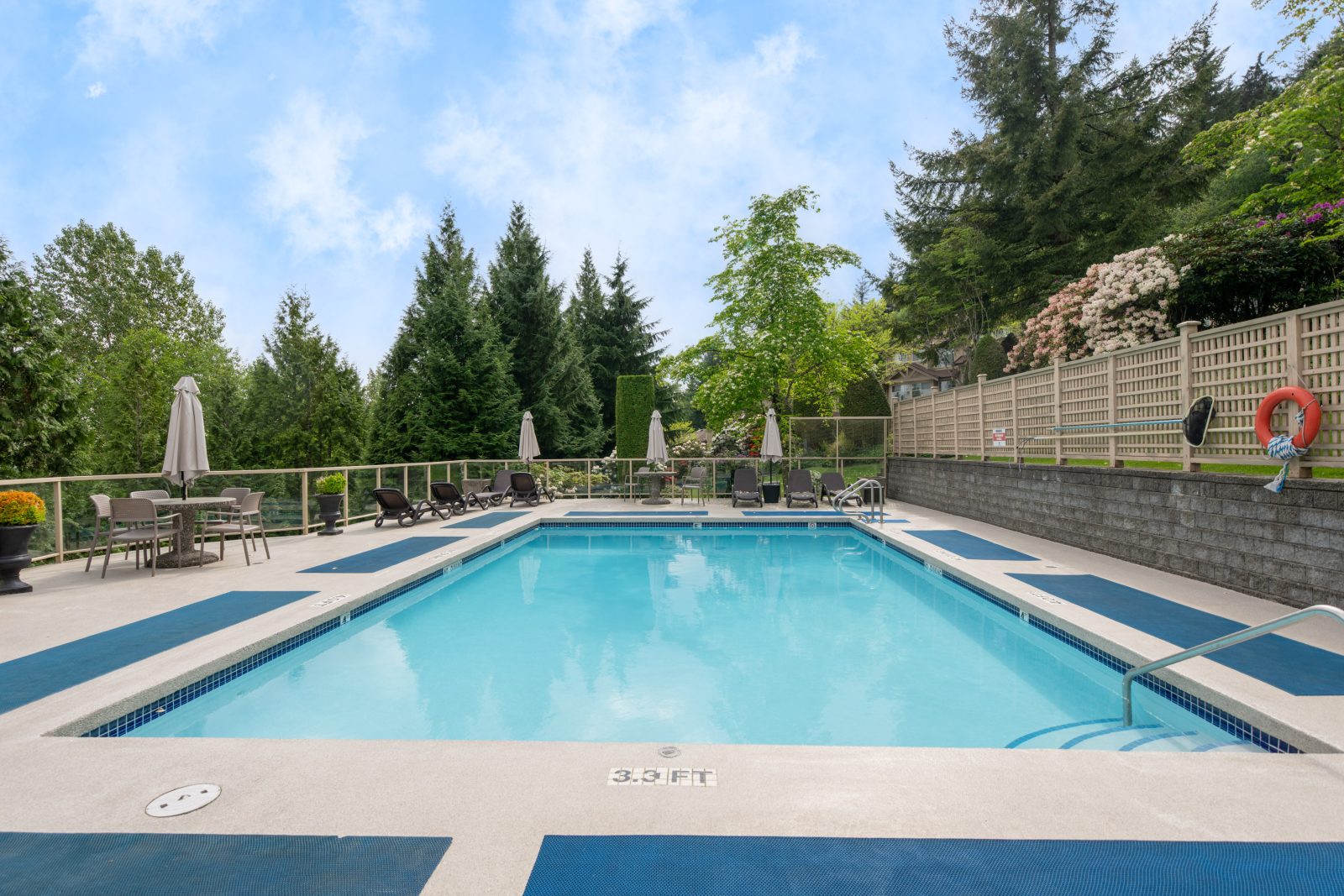
The mechanical package was current: central air conditioning (recently installed), newer hot-water-on-demand, newer furnace. Two-car garage. The Deercrest Estates amenity centre — outdoor pool, hot tub, gym, clubhouse — is one of a handful in the Plateau that genuinely pays back the strata fee. And the front-deck Mount Baker view is the kind of thing buyers remember on the drive home.
Priced at $1,199,900, the home was positioned to test the upper end of the Plateau townhouse band. In a 2025 market it would likely have moved at or near list inside two weeks. The 2026 market — a buyer-favouring Coquitlam corridor with detached HPI down 6.6% YoY and townhouse sales-to-active sitting at 13.3% (balanced) — was a different conversation.
Days 1–14 — holding the line
Seven offers in two weeks tells you the home is being seen and being valued. None of those seven matched the seller's number. That is exactly the moment a listing agent's job stops being marketing and starts being negotiation strategy.
The default in this scenario is to do what the textbook says: stay firm, counter selectively, let the buyer pool re-engage. That was our plan. If the seller's goal had remained "top dollar in a reasonable timeframe," we would have continued working the offers, countered the strongest one at our number, and most likely closed a $1,150,000+ deal by day 30 or 40. The market was telling us the ceiling at this price band, in this neighbourhood, in this month, was in that zone.
That was the right strategy — for the goal we walked in with.
Day 14 — the goal changed
This is the part of the case study that matters more than the rest of it combined.
Mid-listing, the seller's life moved. A return to Hong Kong went from open-ended timeline to a hard window measured in weeks, not months. The conversation in his living room shifted overnight from "how do we get the best price" to "how do we close cleanly, on a specific timeline, without leaving the home half-sold." The right strategy for goal one is not the right strategy for goal two.
A weaker listing agent does one of two things at that moment. Either (a) keeps grinding for the original number because the original brief said top dollar — the listing goes stale, the market stops engaging, the deal eventually closes 60 days later at a worse number under more pressure; or (b) panics, accepts whatever offer is closest to the seller, and leaves real money on the table. Both are failures dressed up as different things.
The right move is to re-anchor on the new priority and rebuild the strategy around it. Speed and certainty became the brief. Within those constraints, push price as far as it would go.
The pivot — pricing for urgency, not for hope
The first move was a price reduction: $1,199,900 → $1,150,000. That is a $49,900 cut — meaningful enough to signal something has changed, calibrated enough not to look distressed. In this market, in this band, that drop typically does two things: it triggers a fresh wave of email alerts to every buyer watching the search, and it re-engages the agents whose buyers wrote the strongest offers in the first round.
Both things happened. The strongest buyer from the original seven came back to the table within 48 hours. That buyer had been close to our original number on terms but soft on price; the reprice gave them the green light to re-engage with confidence.
Then the negotiation actually started.
Pushing the buyer up — on price and on terms
This is where the strategy paid off and where the case study earns its title. The buyer's first written offer after the reprice came in well below the new asking number. That is not a failure — it's the buyer doing their job. The listing agent's job at that point is to lift the offer toward the seller's priorities without losing the buyer to a competitor.
We worked the negotiation on two axes simultaneously: price, and terms. Price moved up through two rounds of countering, ultimately settling at $1,120,000 — a meaningful lift from the buyer's opening number. On terms, we held three non-negotiables: a sub-30-day completion (the seller had to be in Hong Kong), standard subjects only (no buyer-side conditions that would create renegotiation risk later), and a clear subject-removal window short enough to give the seller certainty within days of acceptance.
The buyer signed. Subjects came off on schedule. The deal closed under 30 days, on the dates the seller had specified, with no surprises.
The honest number — and why this is a win
The final number on title is $1,120,000. The original list was $1,199,900. On paper that's a $79,900 gap from list. If we were grading on "did we get top dollar," we would not call this a triumph.
But that's not what the seller was being graded on by the time we closed. By day 14 his metric had changed. The question on the table was "did Craig get me a clean, certain, fast exit at a defensible price so I can move on with my life." The answer to that question is yes. Twenty-three days from list to accepted offer. Under 30 days to completion. Standard subjects with no renegotiation drama. A final price that was negotiated up from the buyer's opening number, not down from ours.
The seller is in Hong Kong. The new owner is in the home. Both walked away satisfied. That is what a successful sale actually looks like when the market is in a buyer-favouring window and the seller has a real-world deadline.
The lesson — what 7 offers and a price drop actually mean
If your home draws seven offers and isn't selling, the market is telling you something specific. Not "your home isn't good enough." Not "you picked the wrong agent." The market is telling you that the gap between your price and the buyer pool's number is bigger than the home's emotional pull can close. Ignoring that signal does not make it go away — it makes the listing stale. Stale listings die. Buyers stop watching. Agents stop showing. The next price drop two months in lands on a colder audience than the first one would have.
The job of a strong listing agent in 2026 is not to tell you what you want to hear. It is to read the market in real time and recommend the strategy that fits your actual priority, not the easy story. Sometimes that means holding firm and waiting for the buyer who matches your number. Sometimes — like here — it means recognising the priority has shifted and rebuilding the strategy around speed, certainty, and clean terms.
The wrong move is to assume strategy one is always right because strategy one is what was decided in the listing meeting.
What this means for you if you're thinking about listing
If you're planning to list a Westwood Plateau, Burke Mountain, Heritage Mountain, Port Moody or wider Coquitlam home in the next 90 days, here is what the Panorama Drive case study would have me say to you over coffee:
- Define the priority before we list, and be honest about it. "Top dollar at any timeline" and "fast clean exit" are different strategies. They use different list prices, different marketing windows, and different negotiation playbooks. The worst outcome is hiring an agent who runs strategy one when your real goal is strategy two — or vice versa.
- Plan the pivot moment in advance. Decide together: at what offer count, on what timeline, with what feedback from the showings, do we re-evaluate? A pre-agreed pivot point is not a sign of weakness — it's professionalism. The seller and I had this conversation at the listing meeting; we knew what day 14 would trigger before day 14 arrived.
- Read the market signal honestly. Seven offers below your number is not a "the market is wrong" signal. It's a "the market has set the band" signal. Strong agents tell you that. Weaker agents let you wait it out and absorb the cost of a stale listing.
- Don't conflate a price drop with failure. A repositioning at the right moment is a strategic tool. A repositioning at the wrong moment — or a repositioning forced 60 days in because nobody acted on signal at day 14 — is what failure actually looks like.
If this sounds like your situation
If you're a Tri-Cities seller with a real-world timeline — relocation, divorce, downsizing, school year, family priorities — and you want a listing agent who will tell you the honest read on the market and adjust strategy when your priorities shift, that's the conversation. A 20-minute Strategy Call is enough to pressure-test your number, your timeline, and the right plan for the goal you're actually optimising for.