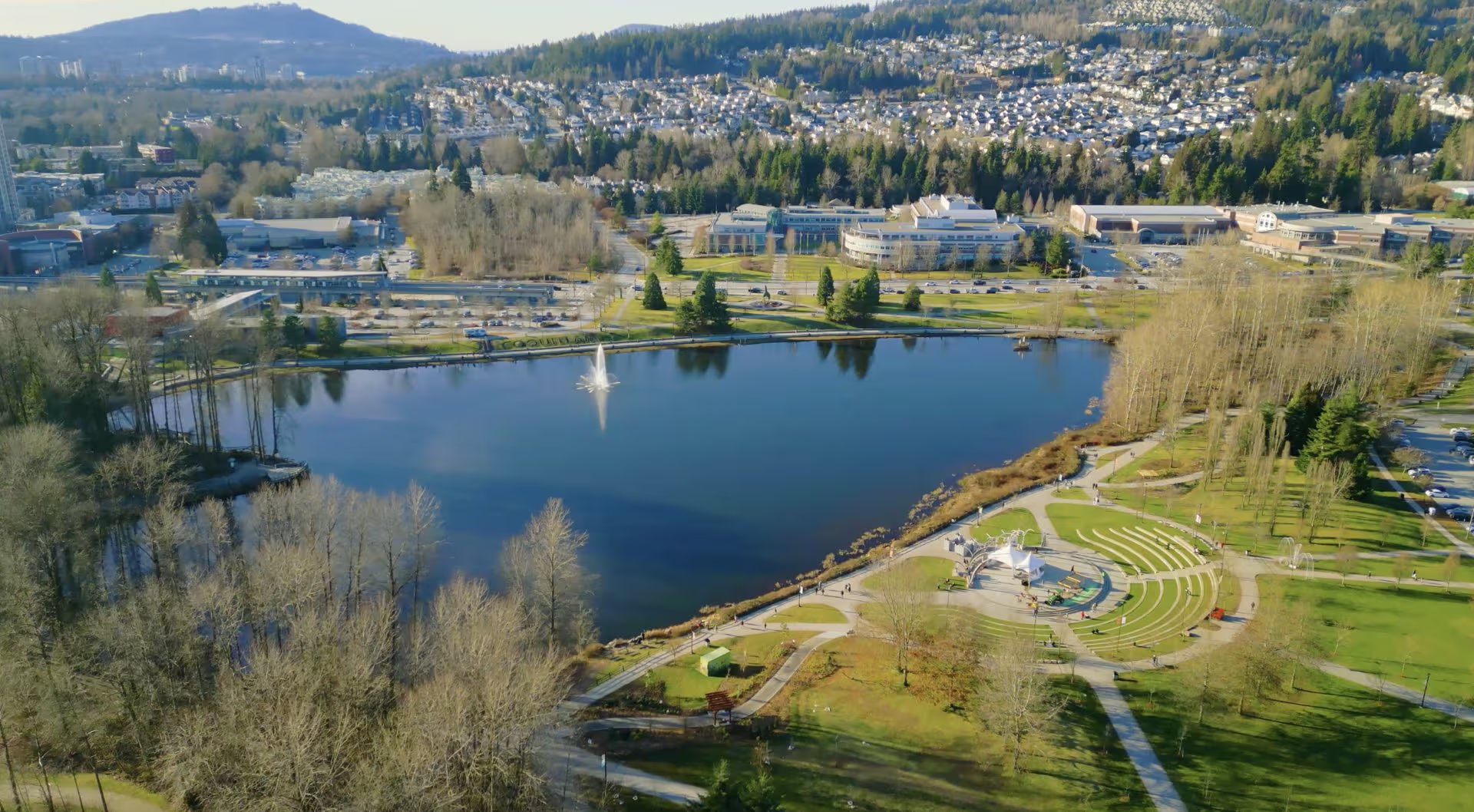
Westwood Plateau is the established, larger-lot, mature-streetscape end of Coquitlam — a master-planned executive community wrapped around a championship golf course, high on the hillside above Town Centre.
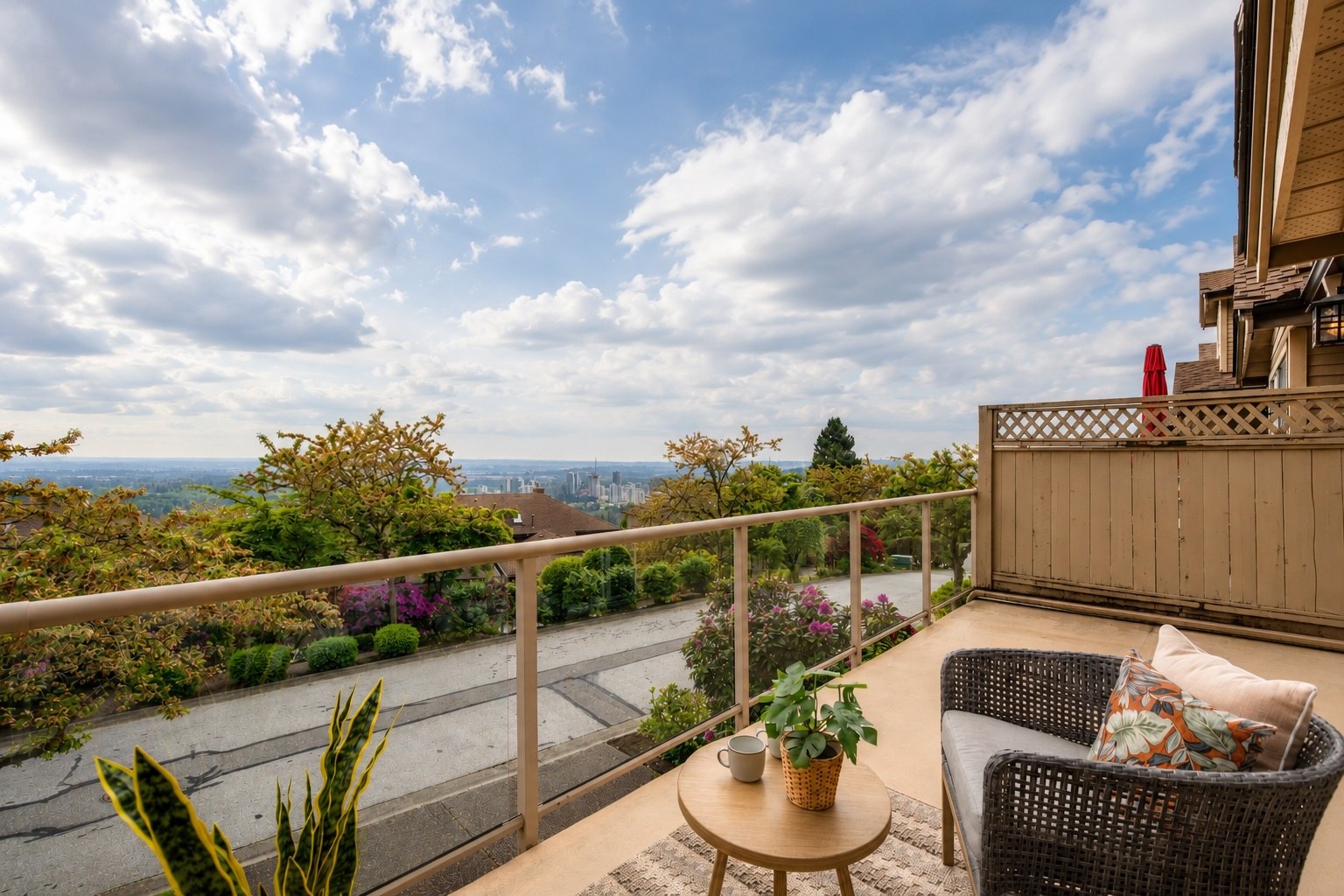
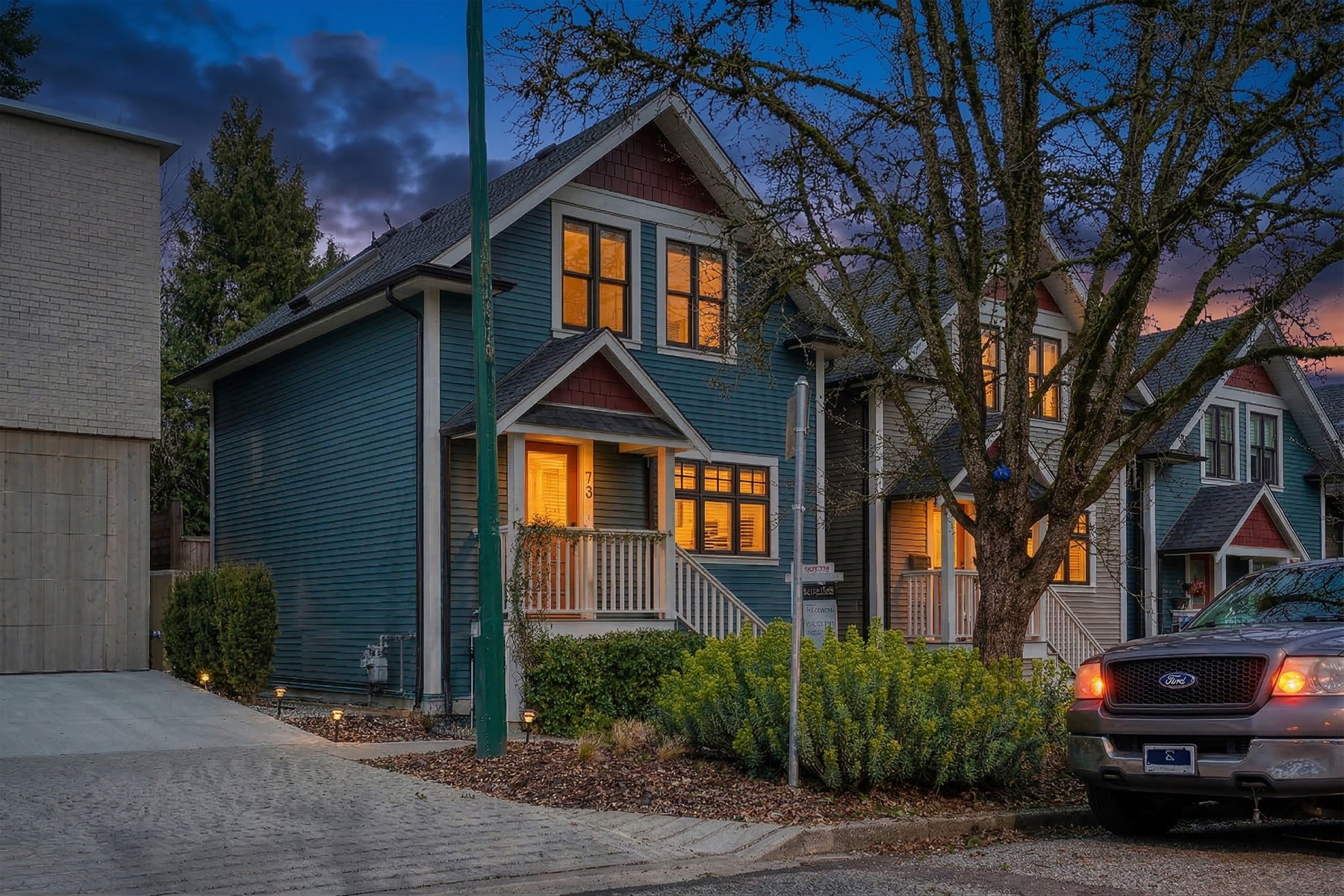
Most detached homes are two-storey with basement, built between 1989 and 2008, on lots meaningfully larger than newer Coquitlam neighbourhoods, with generous traditional layouts: formal living plus family room, separate dining, a primary suite upstairs with three to four secondaries, and basements often finished with a rec room and sometimes a legal in-law suite. Attached double garages are standard, and on view streets the topography pushes the garage down a level with the main living up.
The identity runs through the middle of the neighbourhood. The Westwood Plateau Golf and Country Club opened in 1995 as the centrepiece of the residential master plan that replaced the historic Westwood Racing Circuit — a well-known post-war Canadian motorsport track, which ran on these slopes from 1959 until the early 1990s. The road grid still reflects that history, and knowing it changes how you read the streets.
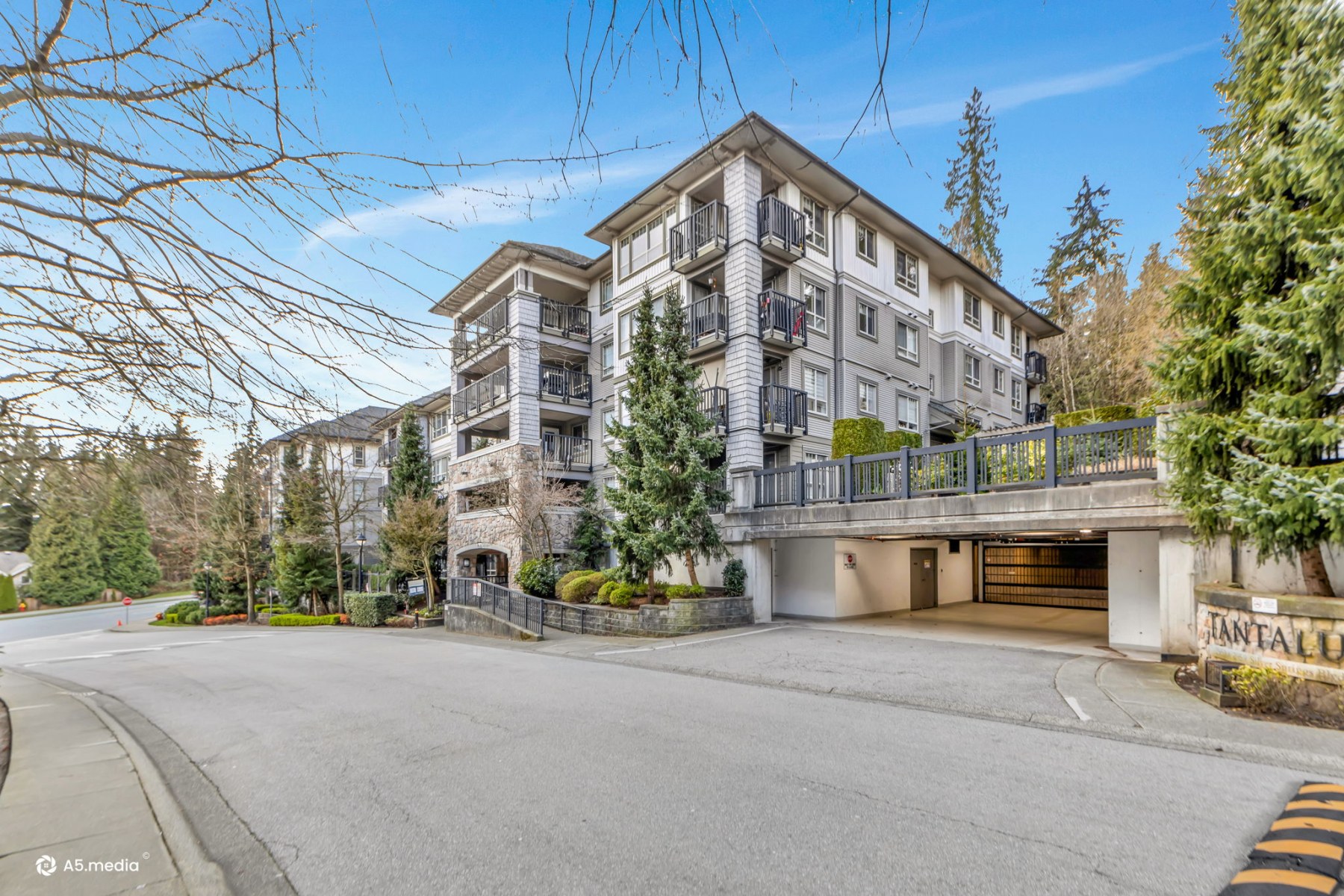
Townhomes are the other meaningful product, in several named strata communities — Dayanee Springs, Whitetail Lane, Tango, Westview, Deercrest Estates and Hampton Estates, with Avonlea Heights rounding out the named pockets. These are upper-tier family townhomes, not entry-level, and supply is limited: family-buyer demand keeps them tight. They are the way into the Plateau catchment without detached pricing. Westwood is a long-stay decision more than a move-up entry point — buyers who want newer construction typically look at Burke Mountain instead.